GT Pressura

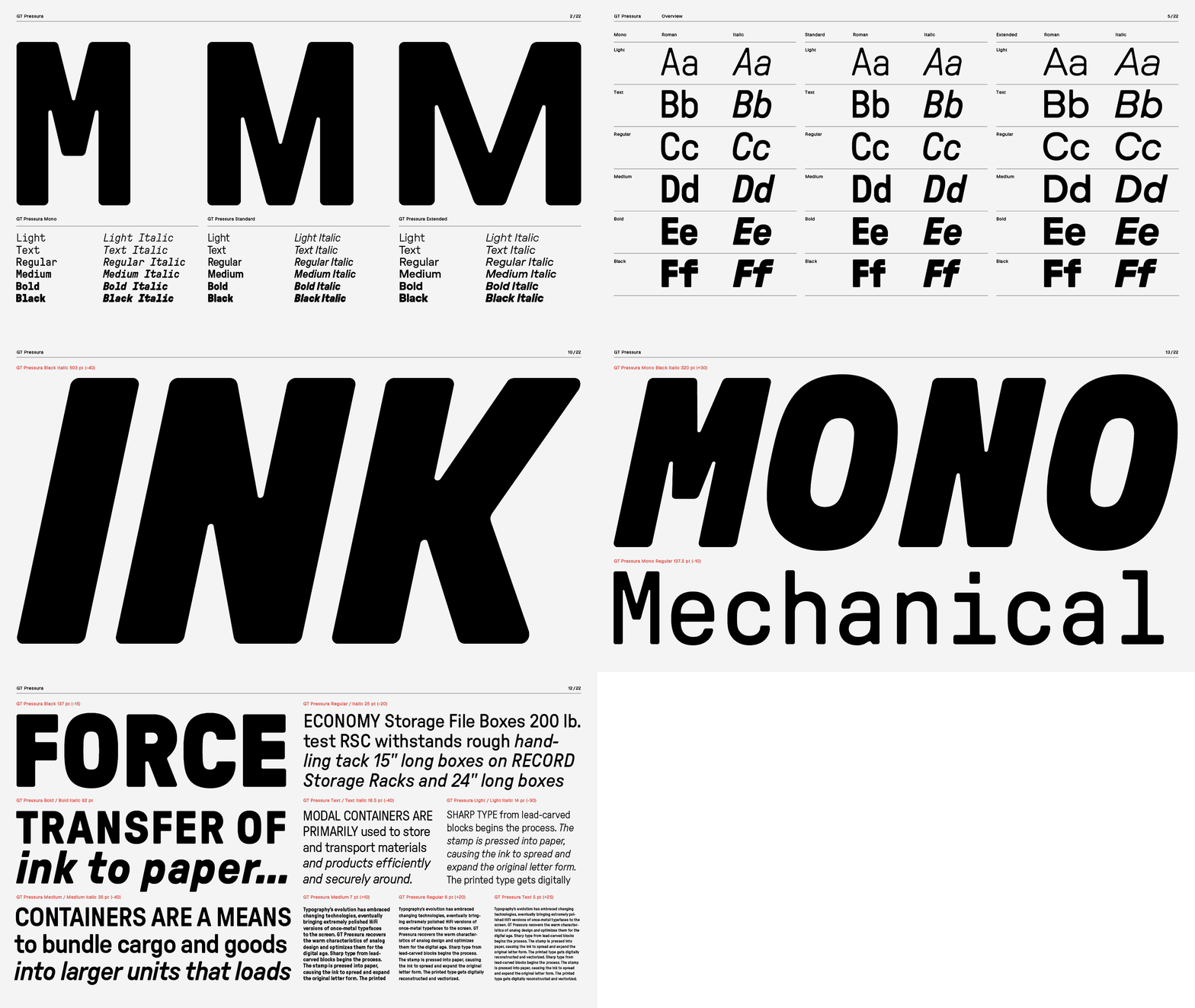
Family overview
- Standard
- Light Italic
- Text Italic
- Regular Italic
- Medium Italic
- Bold Italic
- Black Italic
- Mono
- Light Italic
- Text Italic
- Regular Italic
- Medium Italic
- Bold Italic
- Black Italic
- Extended
- Light Italic
- Text Italic
- Regular Italic
- Medium Italic
- Bold Italic
- Black Italic
Subfamilies
- Standard LightFragile, Keep Dry (with Broken Glass & Umbrella Graphic) 18" Image, 24"×24" Sheet
- Standard Light ItalicTurned away from it all like a blind man
- Standard Textно-фантастический фильм в жанре антиутопии, снятый на киностудии
- Standard Text ItalicAn intermodal container is a large standardized shipping container, designed and built for intermodal freight transport, meaning these containers can be used across different modes of transport – from ship to rail to truck – without unloading and reloading their cargo.
- Standard RegularDo not break shrink wrap or remove packing list, Maintain the Integrity of Your Skid
- Standard Regular ItalicIt’s the terror of knowing – What the world is about
- Standard MediumThis system used roller containers for transport by rail, truck and ship, in various configurations up to 5,500 kg (12,100 lb)
- Standard Medium ItalicEarly versions of standardized containers were used in Europe
- Standard BoldThe Liverpool and Manchester Railway in the United Kingdom was one of these. "Simple rectangular timber boxes
- Standard Bold ItalicUline Economy Storage File Boxes 200 lb. test RSC withstands rough handling tack 15" long boxes on Record Storage Racks and 24" long boxes on Bulk Storage Racks for neat, tidy storage.
- Standard BlackIt’s the terror of knowing – What the world is about
- Standard Black ItalicJapan Post Service, Tokyo, Japan, 2007 Norio Kitamura
- Settings
Typeface information
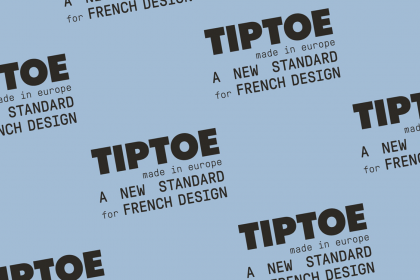
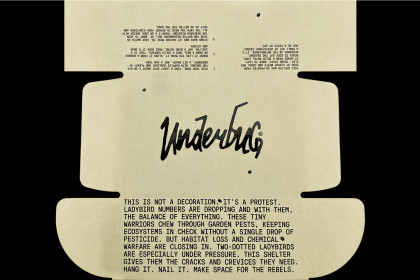
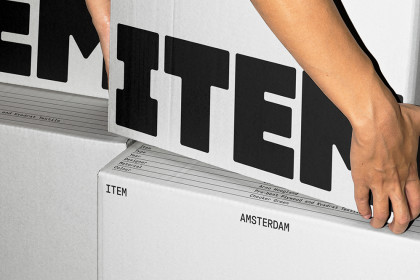
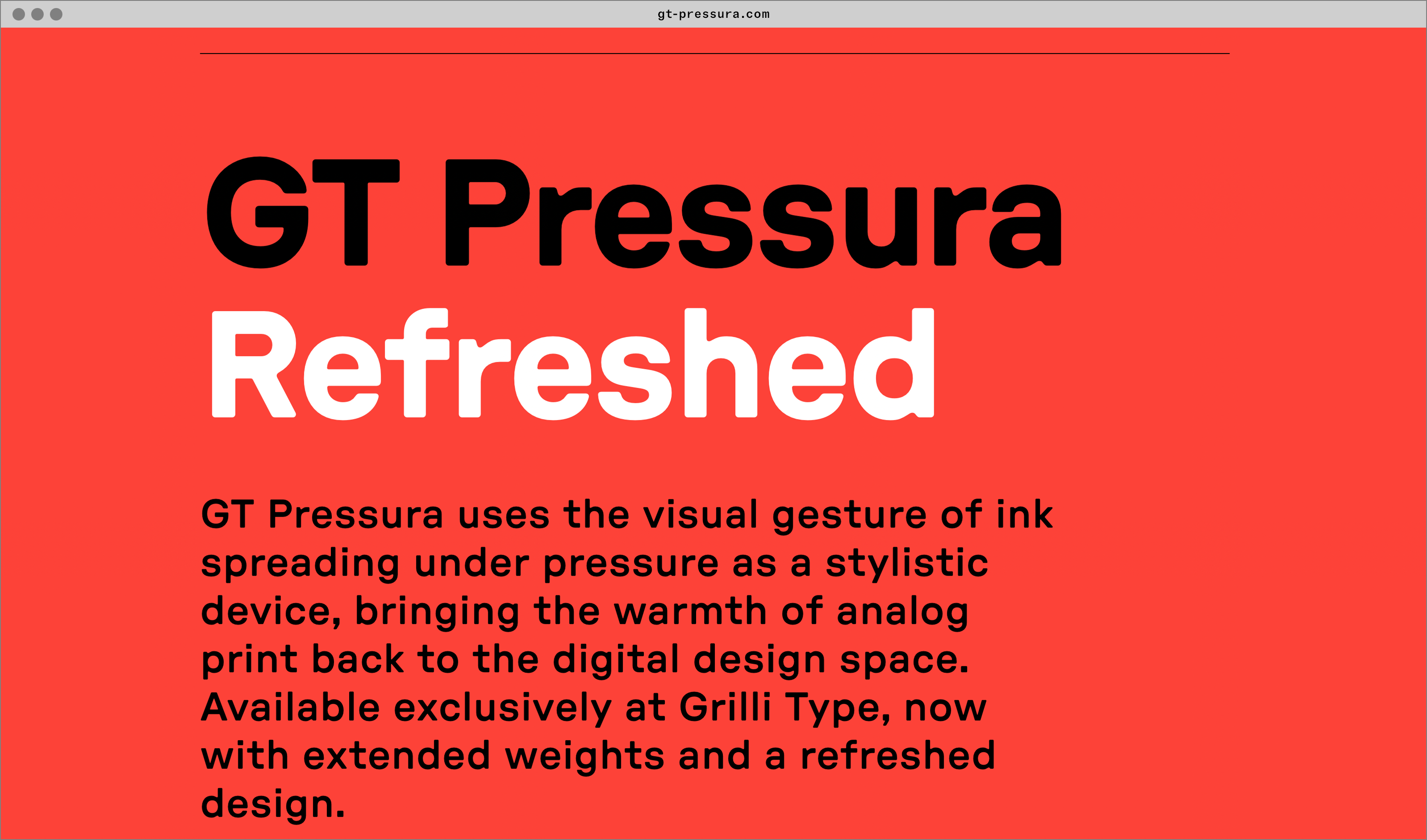
GT Pressura is inspired by metal type printing history as well as engineered letters stamped onto shipping boxes. It uses the visual gesture of ink spreading under pressure as a stylistic device, offering an alternative to more spindly typefaces of the digital age.
- Designed by Dominik Huber and Marc Kappeler (Moiré). Script extensions by Dominik Huber with Grilli Type. Consulting by Panos Haratzopoulos (Greek) and Donny Trương (Vietnamese).
- Released in 2012/2017/2022
- Available in 36 styles
- GT Pressura is available for customization and language extensions
- Download the free trial fonts
Typeface features
OpenType features enable smart typography. You can use these features in most Desktop applications, on the web, and in your mobile apps. Each typeface contains different features. Below are the most important features included in GT Pressura’s fonts:
- TNUM
- Tabular Figures
13.07.2048
- SS01
- Alternate a
React
- CASE
- Case sensitive forms
¿TE GUSTA?
Typeface Minisite
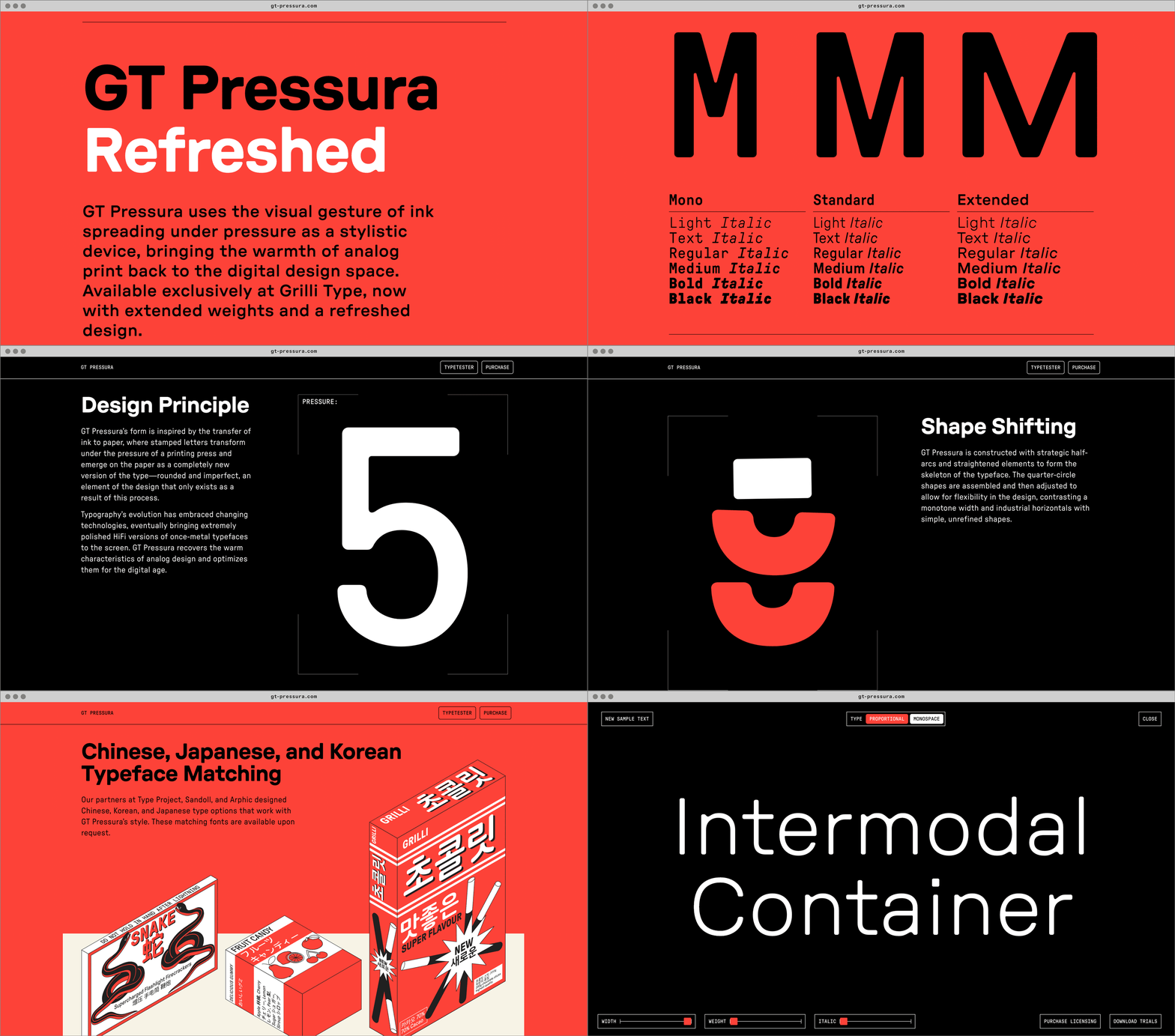
- Visit the GT Pressura minisite to discover more about the typeface family’s history and design concept.
GT Pressura in use